
5 Ways Proper Attic Ventilation Extends Roof Lifespan and Improves Energy Efficiency
Maintaining a home requires paying attention to many areas that are often out of sight and out of mind. Among these hidden spaces, the area directly beneath your roof plays a crucial role in protecting your structure from severe environmental stress. Implementing proper attic ventilation creates a continuous balance of intake and exhaust airflow that helps regulate temperature and moisture levels. Without this essential system, trapped thermal energy and humidity can cause structural degradation and increase unnecessary strain on heating and cooling equipment throughout every season of the year.
Homeowners frequently focus on visible upgrades like new siding, windows, or exterior features while overlooking the critical ecosystem operating right above their ceilings. Effective attic ventilation is not merely an optional feature; it is a fundamental component of modern building design that directly impacts the structural integrity of your property. By allowing fresh air to enter through soffit vents and hot air to escape through ridge or gable vents, you establish a stable interior climate. Over time, this natural circulation safeguards building materials, minimizes deterioration, and ensures your living spaces remain comfortable regardless of external weather conditions.
1. Regulating Extreme Summer Temperatures
During warm weather periods, solar radiation heats the surface of your roof, causing thermal energy to radiate directly into the space below. Without adequate circulation, temperatures in an unventilated upper space can reach extreme levels, far exceeding the outdoor ambient temperature. This intense heat traps itself against the underside of the roof deck, effectively baking the structural framing and ceiling below. Implementing an effective system for attic ventilation allows trapped thermal energy to escape efficiently before it can migrate into living areas below. Continuous airflow prevents heat from building up to dangerous thresholds during peak afternoon hours.
When high heat remains trapped inside your upper home structure, it creates a radiative effect that forces cooling equipment to work much harder. Air conditioning units must run continuously to combat the constant thermal transfer coming through the ceiling. Extreme thermal conditions in the upper portions of a building do not remain isolated; they actively push heat down into living spaces below. When radiant heat saturates ceiling insulation, it reduces the overall thermal resistance of your building envelope, making living areas uncomfortably warm during summer afternoons.
2. Preventing Excess Moisture Accumulation
Moisture is one of the most destructive forces facing any residential structure. Everyday indoor activities like cooking, bathing, laundry, and breathing release volume of water vapor into the air inside living spaces. This moisture naturally rises toward the top of the house and penetrates into the upper structural space. Proper attic ventilation ensures that humid air is swept away continuously before it can condense on cold surfaces such as roof rafters, structural sheathing, and metallic fasteners. Without continuous air movement, trapped moisture transforms into droplets that saturate building components and insulation materials.
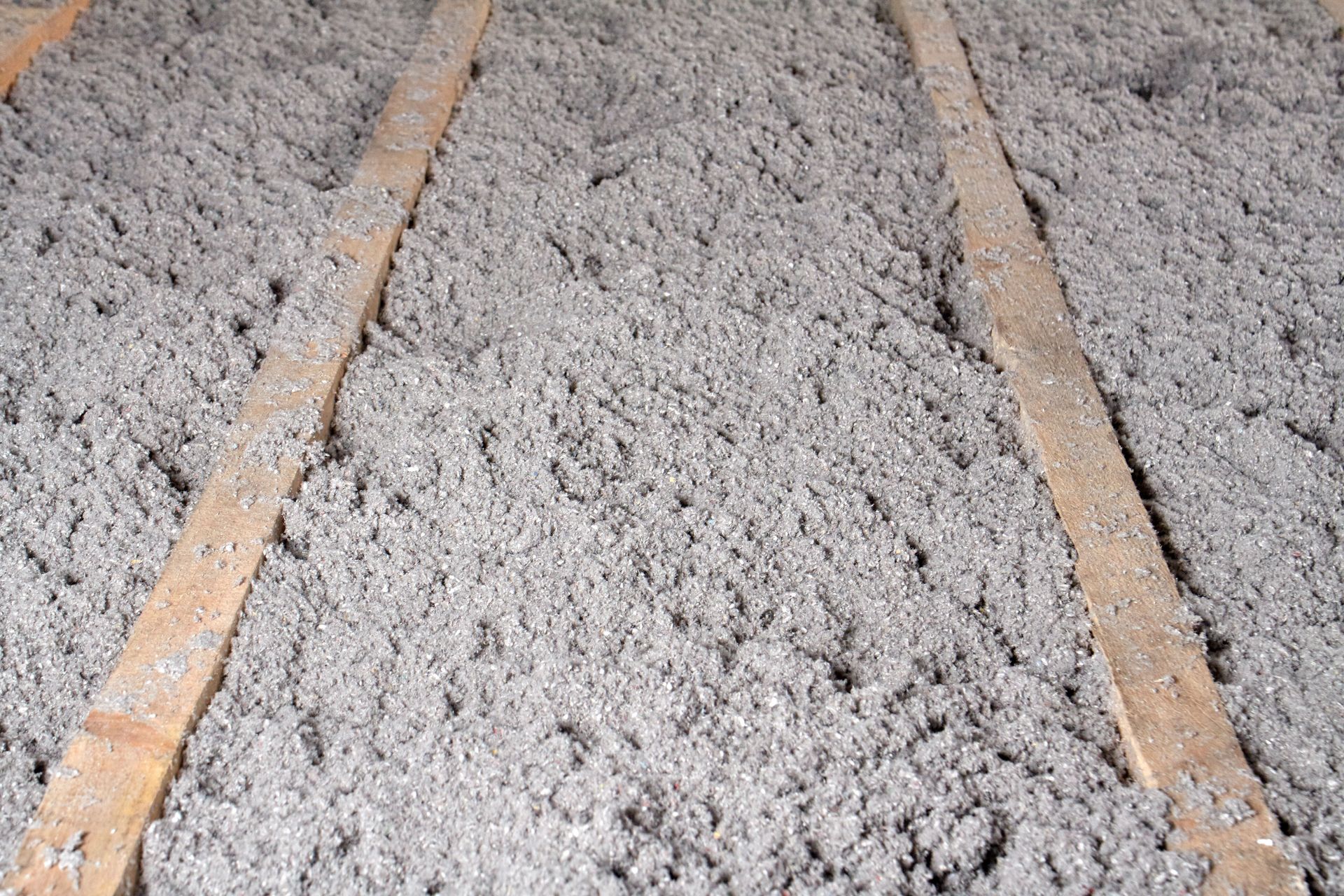
Persistent humidity creates ideal conditions for organic growth, structural decay, and material weakening. When insulation absorbs moisture, it loses its ability to resist heat transfer, compounding thermal performance issues throughout the entire structure. When excessive humidity accumulates without an exit strategy, moisture penetrates wood fibers and drywall materials. This hidden dampness encourages fungal growth, weakens structural joints, and ruins the insulating capacity of fiberglass or cellulose insulation materials.
3. Protecting Roofing Shingle Structural Integrity
Roofing materials are designed to withstand harsh weather, but extreme heat coming from beneath them can severely shorten their useful lifespan. Asphalt shingles exposed to excessive heat from an unventilated upper deck suffer from accelerated aging, blistering, and loss of protective granules. The internal adhesive strips and volatile compounds within the shingles deteriorate rapidly when subject to constant baking from both above and below. Utilizing effective attic ventilation helps dissipate heat from the underside of the roof deck, keeping the underlying material significantly cooler during hot periods.
The roof deck functions as the primary barrier against environmental elements, yet excessive heat from beneath can ruin shingles faster than normal outdoor exposure. Excessive heat causes the asphalt matrix to break down, loosening the reflective granules that shield the material from solar radiation. Keeping shingle underlayment and structural sheathing at manageable temperatures prevents early failure of the roofing membrane and maintains structural strength.
According to CMR, the United States captured an 81.76% share of the ventilation system market across North American nations. This statistic highlights how widespread structural air management solutions have become across the continent. When roofing materials are kept at stable temperatures, they retain their structural flexibility, impact resistance, and weatherproofing capabilities for their full intended lifespan, preventing premature roof replacement needs.
4. Lowering Overall Residential Energy Demand
Energy efficiency depends heavily on how effectively a home manages heat gain and loss throughout the year. When an upper space traps extreme thermal energy during summer, that heat constantly transfers through ceiling insulation into lower living areas. As a result, cooling systems must run longer cycles to keep living spaces comfortable. Incorporating proper attic ventilation relieves this thermal burden by constantly replacing hot trapped air with cooler outside air. This process creates a passive cooling buffer that reduces the overall cooling demand on mechanical equipment.
By lowering the overall thermal load inside the upper structural space, home cooling appliances operate far more efficiently. Air conditioners run less frequently and complete shorter cycles, reducing electricity consumption without sacrificing occupant comfort. Reducing mechanical strain on heating and cooling equipment directly supports the operational efficiency of your entire property. When cooling systems do not have to struggle against constant heat invading from the upper structure, mechanical parts experience less operational wear.
In winter, proper airflow management helps prevent uneven thermal transfer, allowing heating systems to perform predictably. Mitigating extreme thermal buildup creates an energy-efficient living space that runs smoothly throughout every season while putting far less stress on core mechanical infrastructure and ventilation components.
5. Mitigating Winter Ice Dam Formation
While high heat is a major issue during summer, improper airflow in winter creates a completely different set of structural dangers. In cold climates, heat escaping from living quarters into an unventilated upper space warms the roof deck from below. Snow on the roof melts, runs down to the cold eave edges, and freezes into thick ridges of ice. These ice dams trap water behind them, forcing liquid water up under shingles and into interior ceilings and walls. Installing functional upper roof airflow systems ensures that the entire underside of the roof stays at a uniform temperature equal to outdoor air.
When the roof surface remains cold from edge to peak, snow melts naturally from sunlight rather than heat leaking from inside the home. This prevents the dangerous freeze-thaw cycles that cause ice dams to form along the roof line. Ice accumulation along roof edges creates massive pressure points and traps standing water on top of vulnerable underlayment. Water that backs up under shingles can seep into interior framing, causing widespread damage to interior ceilings and walls during cold spells.
Maintaining a balanced upper home environment is one of the most effective strategies for protecting roof structures and optimizing indoor comfort. Proper air balance reduces heat buildup, prevents moisture damage, prolongs shingle durability, lowers mechanical strain on climate control systems, and prevents winter ice dams. If you are ready for a healthier home environment and a longer-lasting roof, contact us at The Wise Attic today. We will help you assess your property and install optimal attic ventilation to protect your home for years to come.
Share On: