
Wool vs Cellulose vs Cotton: Which Natural Attic Insulation Is Right for You?
In today's eco-conscious world, natural attic insulation options such as wool, cellulose, and cotton are increasingly popular. These materials not only provide effective thermal insulation but also align with the growing demand for sustainable and renewable resources. While each material brings a set of unique benefits, there are also specific challenges homeowners need to consider. Choosing the right insulation involves evaluating factors such as thermal performance, environmental impact, and financial cost. This article will delve into the characteristics, advantages, disadvantages, and practical applications of wool, cellulose, and cotton insulation to aid in your decision-making process.
1. Understanding Wool Insulation
1.1 Properties of Wool
Wool is a remarkable natural material, widely known for its excellent thermal performance and breathability. It manages to maintain warmth in cold conditions and remains cool when the temperature rises, making it highly versatile. Additionally, wool's unique ability to absorb moisture without feeling wet helps regulate indoor humidity levels. Its natural crimp and elasticity allow it to trap air, which is key in insulation applications. Furthermore, wool is inherently fire-resistant, adding an extra layer of safety to homes.
1.2 Advantages of Wool Insulation
One of the standout benefits of wool insulation is its sustainability, as it is a renewable resource. Sheep continuously produce wool, ensuring a steady supply without harming the environment. Wool is also biodegradable, meaning it will decompose naturally at the end of its life cycle, unlike some synthetic insulations. Additionally, wool can purify the air as it absorbs indoor pollutants, enhancing air quality. Its natural elasticity makes it easy to install in various spaces without losing its shape over time.
1.3 Disadvantages of Wool Insulation
Despite its many positives, wool insulation does come with certain drawbacks. It is relatively more expensive than other natural insulation materials such as cellulose or cotton, potentially affecting its appeal for budget-conscious homeowners. Without proper treatment, wool can become susceptible to pests like moths and insects, which may compromise its effectiveness. The natural lanolin in wool, while beneficial, can sometimes emit odors that are unpleasant indoors. Additionally, wool insulation may require professional installation, adding to the overall cost. Its moisture absorption properties, while generally a benefit, can lead to issues if there's excessive dampness without adequate ventilation.
2. Exploring Cellulose Insulation
2.1 Composition of Cellulose Insulation
Cellulose insulation is primarily made from recycled paper products, such as newspapers, making it a highly sustainable option. This material has a high percentage of recycled content, often exceeding 80%, which reduces its carbon footprint significantly. It is treated with non-toxic fire retardants like borates to enhance fire safety, which is crucial for building compliance. Furthermore, cellulose's environmental credentials extend to its potential for recycling at the end of its lifespan. Its fiber structure makes it effective for use in both attics and wall cavities, providing excellent coverage and reducing gaps.
2.2 Benefits of Using Cellulose
One of the key advantages of cellulose insulation is its ability to significantly reduce noise, making it ideal for urban settings or noisier environments. Its dense makeup provides effective soundproofing capabilities, which many homeowners appreciate. Additionally, cellulose is renowned for its exceptional ability to fill tight spaces and around obstructions, minimizing air leakage and improving thermal performance. The simple blow-in installation method can make it a quicker option compared to more labor-intensive alternatives. Moreover, cellulose is typically more affordable than wool or cotton, offering a cost-effective solution for eco-minded individuals.
2.3 Drawbacks of Cellulose Insulation
However, cellulose insulation does present some drawbacks that need consideration. A primary concern is its potential for settling over time, which can reduce its insulation effectiveness and require additional top-ups to maintain proper coverage. Moisture absorption is another issue, as cellulose can retain water if exposed to leaks or high humidity levels, increasing the risk of mold and structural damage. Its reliance on chemical additives to achieve fire retardancy may not appeal to those seeking completely chemical-free options. Moreover, professional installation might be necessary to ensure even distribution and avoid gaps, adding to the cost. Finally, due to its weight, cellulose can exert a higher load on structural elements compared to less dense materials.
2.4 Installation Techniques for Cellulose
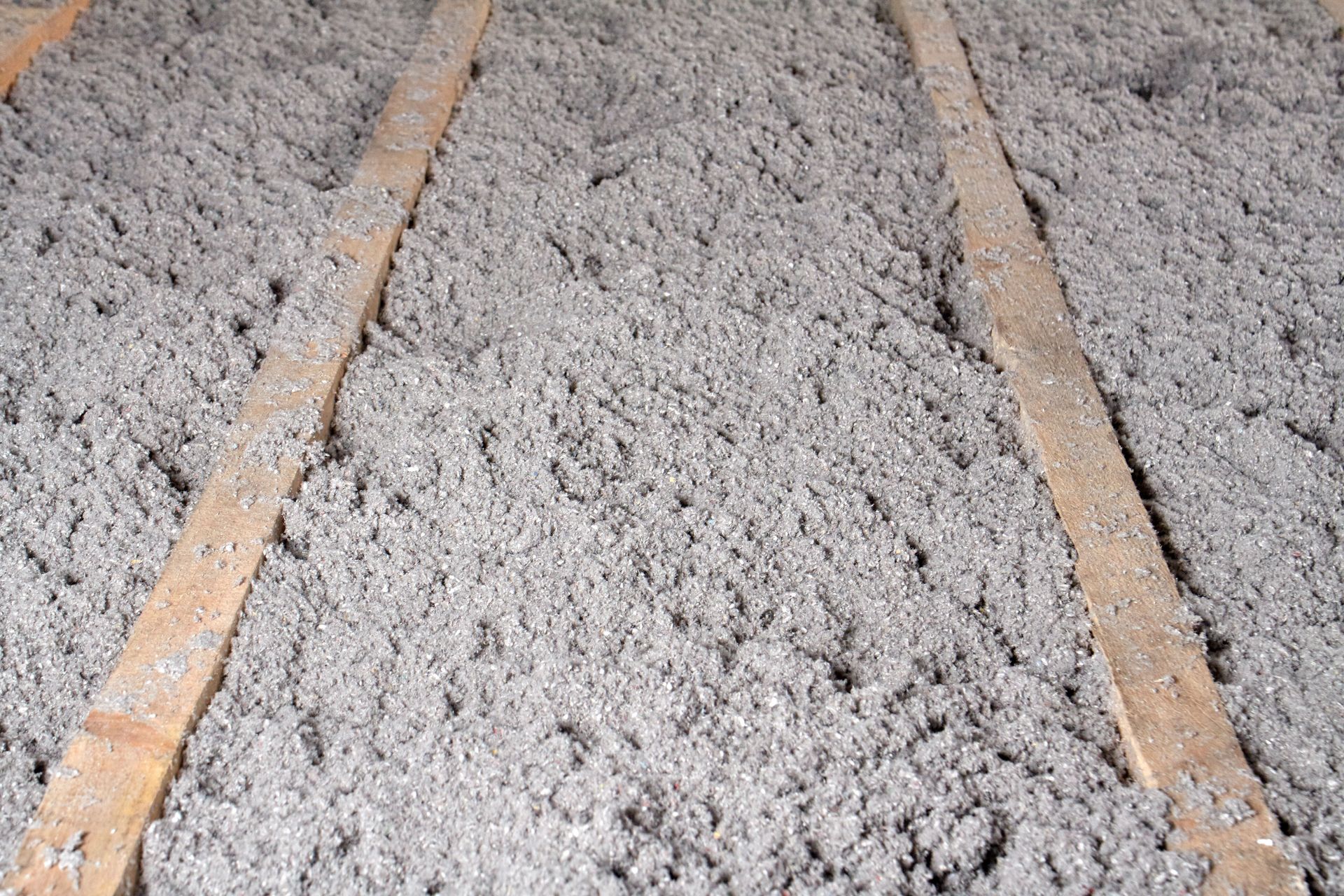
Cellulose insulation is primarily installed using a blow-in method, which involves blowing loose cellulose fibers into attic spaces or wall cavities. This installation process requires a blowing machine, which can often be rented from home improvement stores if homeowners wish to pursue a DIY approach. Before installation, sealing any visible leaks or air gaps is crucial to maximize cellulose's efficiency. The fibers are blown in place until the desired thickness or R-value is reached, ensuring comprehensive coverage. Professionals might be preferable in some cases to avoid uneven distribution and ensure optimal insulation performance.
3. Cotton as an Insulation Material
3.1 Characteristics of Cotton Insulation
Cotton insulation is crafted from recycled cotton and textile materials, positioning it as a highly eco-friendly option. It boasts exceptional health safety, as it is free from volatile organic compounds (VOCs) and does not contain allergens often found in synthetic insulations. Its manufacturing process uses minimal energy and resources, contributing to a lower environmental impact overall. Cotton fibers are naturally occurring, renewable, and biodegradable, enhancing their appeal to environmentally conscious consumers. Furthermore, its thermal performance parallels that of other natural insulations, providing effective resistance to heat flow.
3.2 Advantages of Cotton Insulation
One of the leading benefits of cotton insulation is its non-toxic nature, which poses no health hazards during installation or throughout its use. Its soft texture ensures ease of handling, reducing the risk of irritation or harm during installation compared to fiberglass. Cotton's ability to hold its shape over time without settling ensures consistent thermal performance, reducing the need for frequent maintenance. Additionally, its sound absorption qualities benefit homes in noisy areas, enhancing indoor comfort. Lastly, cotton's strong insulative properties can lead to significant energy savings, contributing to reduced heating and cooling costs.
3.3 Disadvantages of Cotton Insulation
Despite its many positives, cotton insulation comes with certain limitations that may impact its suitability for some projects. Initially, its cost can be higher than competing materials due to the processing involved in recycling textiles. Furthermore, cotton requires additional chemical treatments for fire resistance, which may not align with the preferences of users seeking entirely natural solutions.
3.4 Installation of Cotton Insulation
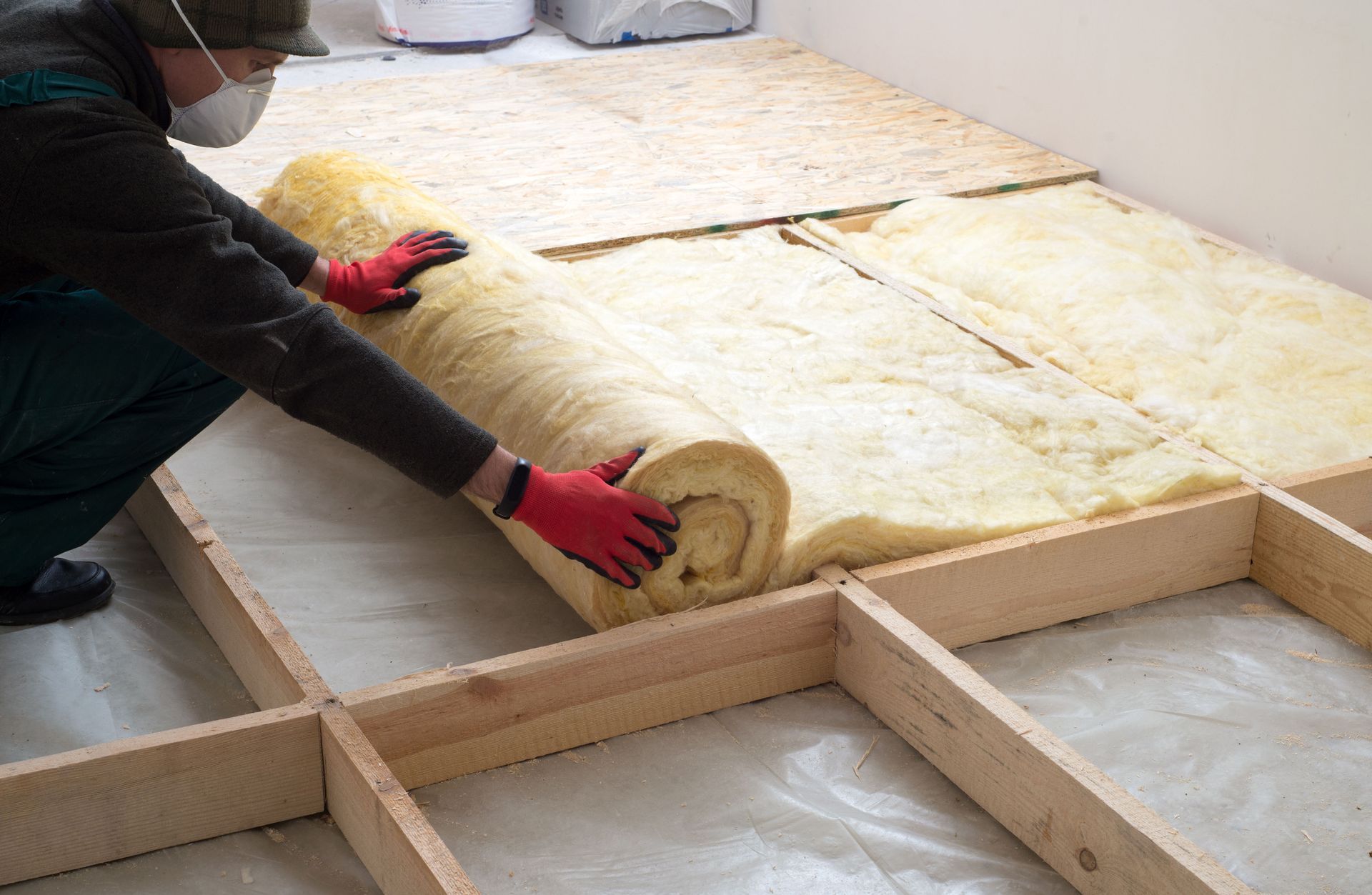
Cotton insulation can be installed in rolls or batts, offering flexibility for various attic and wall applications. The process is typically straightforward, making it suitable for DIY installations with basic tools like a utility knife for cutting. Before proceeding, it is essential to seal any gaps or leaks to maximize insulation performance. Careful measurements and cutting ensure a snug fit within joists or wall studs, preventing gaps. While the material is easy to handle, wearing a dust mask and gloves can prevent irritation from loose fibers during installation.
The R-value ratings of insulation materials, including wool, cellulose, and cotton, are crucial in evaluating their thermal resistance capabilities. Wool typically offers an R-value between 3.0 and 4.0 per inch, providing excellent thermal performance with added benefits like humidity control. Cellulose insulation, on the other hand, has an R-value around 3.2 to 3.8 per inch, indicating a strong ability to resist heat transfer and increase energy efficiency. Cotton insulation generally features R-values ranging from 3.0 to 3.7 per inch, suitable for those who value a balance between performance and environmental impact. These figures help homeowners determine the thickness required to achieve desired insulation levels based on climate conditions and architectural considerations. According to a recent study by Global Market Insights, the U.S. natural fiber insulation materials market was valued at $1.3 billion in 2024. Be sure to reach out to The Wise Attic for more information on our professional attic insulation!
Share On: